T: (0044) 7757233386 / 07757233386

Online counselling for clients worldwide, working with people who have issues of gambling problems, relationships, stress and anxiety, depression, expatriate counselling, etc.
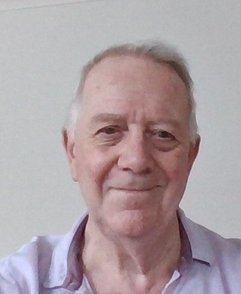
Brian Dennis MBACP (Accred.), M.A.
Counselling can help clients who want to change their current situations; from what they are now, towards what they want them to be.
There are commonly two principal reasons for wanting sessions with a counsellor:
- historical issues which are troubling the present situation.
- current issues which the client thinks may become future problems.
In both of those situations there is commonly a belief that the past or current situations 'may guide or influence' the future. Some clients will question that concept.
I practise counselling in accordance with the Ethical Framework of BACP. I am an experienced and qualified counsellor and a registered and accredited member of the British Association of Counsellors and Psychotherapists, (BACP). I have studied with many short term courses, as well as obtaining my Masters Degree at University in Counselling and Psychotherapy Practice.
Counselling may open clients' questioning about their future life being defined by the past and present. Opening the concept that the future can be influenced brings a large change for many people. Many people live their lives with the belief that their lives will just progress, other people set ambitions, goals and a direction in which they wish to advance to. Those directions will be vastly different, as each person has their own different goals.
Counselling will often encourage a person to think differently about troubling situations. Counselling can help your life, with the concept that the future can be improved.
Counselling may open thoughts that the future may be influenced by the past, but the the past does not necessarily dictate the future.
Some clients may wish to improve their outlook on the future, without "delving into" or "exploring" the past. The past cannot be changed, however much it is discussed and looked at. For some people, understanding and accepting that is a way of "moving on" with a more positive future.
Commonly considering a different viewpoint, that of a different person, may bring an emotionally different state. Understanding and questioning one's own feelings and emotions can often lead to a having a different, more useful outcome.
Counselling helps people to understand and be more aware of their own feelings, as well the feelings and emotions of others. Often, feelings have roots in previous experiences or background. Those feelings were learned in the past, under past circumstances. Present circumstances may be very different, so the feelings are also likely to be different. It can help to clarify that knowledge and apply it in the most productive manner.
My counselling follows the belief that each person is their own individual self, who inherently tries to improve their well-being in their own way. I am a fully qualified and experienced counsellor; I use an integrated range of counselling methods as appropriate. Those methods are based on humanistic person centered counselling, transactional analysis, NLP, positive therapy, motivational interviewing and other methods to bring a balanced, comfortable and positive experience for my clients.
Each person has their own issues, problems, hopes, fears - and a lot more. I respect those differences and work with them during the counselling sessions.
Please contact me to discuss your situation and to make an initial counselling appointment.
For a prompt appointment, email, call or text: 07757 233386 UK. I may be with a client, or otherwise occupied, in which case please leave a message with your contact number. I will respond promptly. Or email: info@counsellingworld.co.uk Or use the contact page to send me an email.